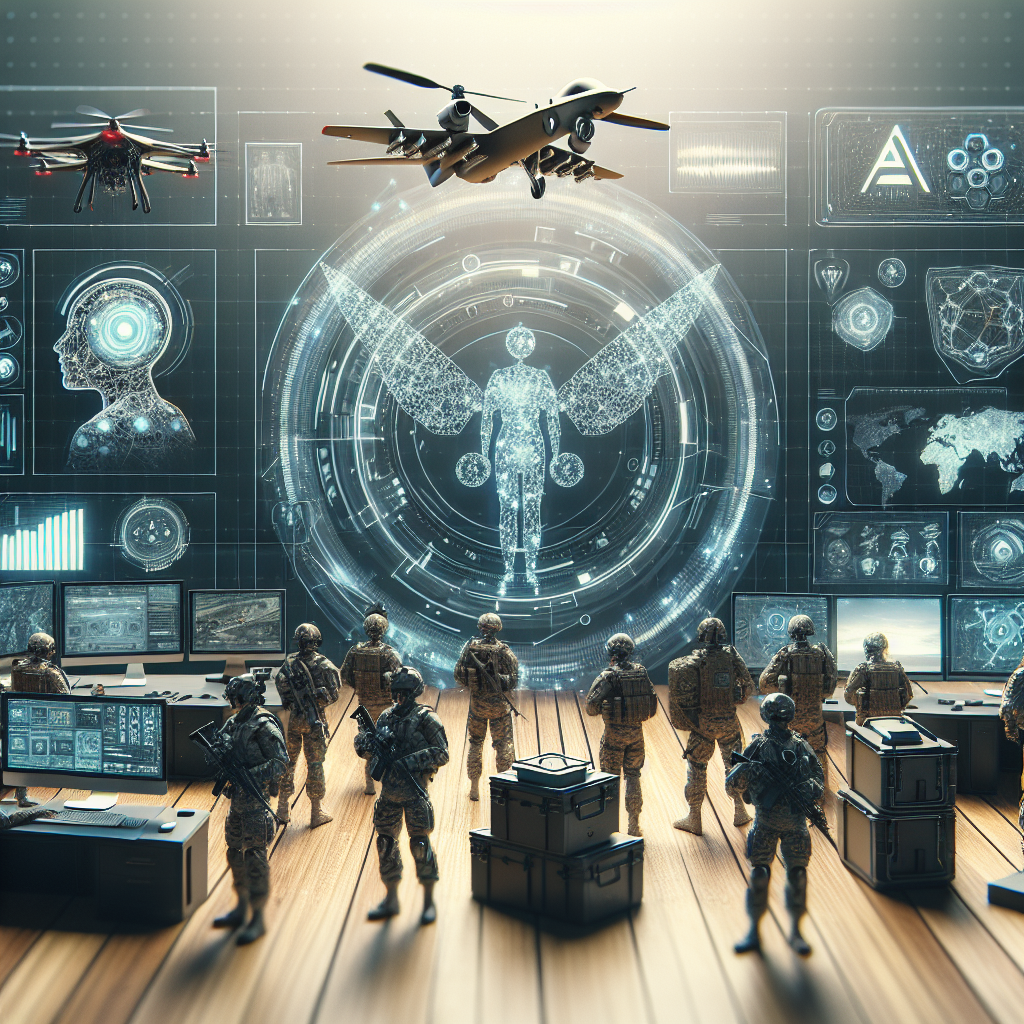
The Future of Warfare: US Military Embraces AI as a Frontline Force
The Impact of AI on Military Strategy
In the aftermath of advancements in technology, the battlefield is being redefined. The Pentagon’s announcement to transition the U.S. military to an ‘AI-first’ fighting force signals a paradigm shift not only in strategy but in the very essence of warfare.
This transformation raises pivotal questions regarding the role of technology in combat, the ethics involved, and the future landscape of global military operations. As AI becomes increasingly central to defense strategies, understanding its implications is more critical than ever.
The Strategic Edge: Leveraging AI in Military Operations
Artificial Intelligence offers a significant strategic advantage, helping in decision-making processes that require speed and accuracy.
From real-time data analysis to predictive maintenance of military equipment, AI provides capabilities that enhance operational efficiency and effectiveness.
AI Applications in the Military
- Autonomous Drones: These devices can execute missions without human intervention, reducing the risk to personnel.
- Advanced Surveillance Systems: AI-driven systems can analyze vast amounts of data for intelligence and reconnaissance, identifying threats more accurately.
- Cognitive Electronic Warfare: AI’s ability to adapt and learn makes it invaluable in electronic warfare, where traditional methods may fall short.
Ethical Implications of AI in Warfare
While AI offers unparalleled advantages, its deployment in military settings poses ethical dilemmas.
Concerns about accountability, decision-making bias, and the risk of unintended escalation in conflicts cannot be overlooked.
Balancing Innovation with Ethics
- Human Oversight: Ensuring AI systems include human decision-makers to maintain ethical integrity.
- Transparency: Clear communication regarding AI capabilities and limitations to all stakeholders.
- International Norms: Developing global standards for AI usage in military contexts.
The Global Arms Race in AI
As countries vie for technological superiority, AI becomes a pivotal element in the global arms race.
The U.S. is not alone in pursuing AI-driven military capabilities, with nations like China and Russia also investing heavily in this frontier.
Comparative Investments in AI
| Country | Investment Focus | Objectives |
|---|---|---|
| USA | Autonomous Systems, Cybersecurity | Maintain strategic superiority and protect national interests. |
| China | Surveillance, AI Warfare | Enhance military efficiency and assert global influence. |
| Russia | Robotics, Information Warfare | Strengthen defense capabilities and counter external threats. |
The Future Outlook: AI as the New Frontier
The embrace of AI in military frameworks is just the beginning of a broader transformation in defense ecosystems.
As AI technology continues to evolve, it will be crucial for military strategists to adapt swiftly, ensuring readiness for any new challenges that arise.
The ‘AI-first’ orientation of the U.S. military marks a transformative leap into the future, creating both opportunities and challenges that the world must navigate together.